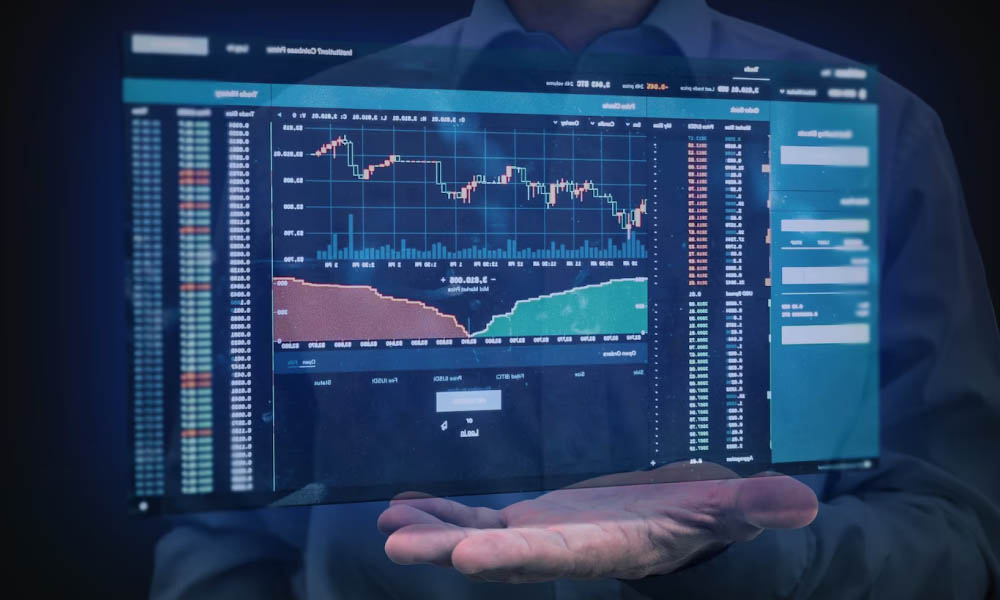
Crypto Trading Analysis: Unlocking Market Secrets
In the dynamic world of cryptocurrency, trading analysis plays a pivotal role in achieving success.
With a multitude of strategies and methodologies at traders’ disposal, understanding how to effectively analyze the market is crucial.
This article delves into the core principles of crypto trading analysis, exploring both fundamental and technical approaches.http://www.cryptotradinganalysis.com Crypto Trading Analysis https://blockchainwelt.de/blockchain-education-alliance-gewinnt-namhafte-mitglieder/
We will also discuss various tools and indicators that can aid traders in making informed decisions and maximizing their profits.
The Foundation of Crypto Trading Analysis
Crypto trading analysis can broadly be categorized into two main types: Fundamental Analysis (FA) and Technical Analysis (TA).
Understanding the differences, advantages, and limitations of each is essential for any trader looking to navigate the crypto markets effectively.
Fundamental Analysis
Fundamental analysis involves evaluating a cryptocurrency’s intrinsic value by assessing underlying factors such as technology, development team, market demand, and competitive landscape.
Traders who utilize FA typically focus on long-term trends and strive to identify undervalued assets that could yield significant returns over time.
A few key aspects to consider in fundamental analysis are:
- Technology: Does the cryptocurrency solve a real-world problem? What is its unique selling proposition?
- Team: Who is behind the project? What is their track record and expertise?
- Market Demand: Is there a growing interest in the project? What are its use cases?
- Regulatory Environment: Are there any legal hurdles the project may face?

Technical Analysis
In contrast, technical analysis examines price movements and trading volumes through historical data and market patterns.
Traders using TA rely on charts and indicators to predict future price movements, often making decisions based on short-term trends and patterns.
Some of the most popular tools used in TA include:
- Charts: Candlestick charts, line charts, bar charts, etc.
- Indicators: Moving averages, Relative Strength Index (RSI), Bollinger Bands, and more.
- Trend Lines: Identifying upward or downward trends can help traders determine entry and exit points.
The Role of Market Sentiment
Beyond fundamental and technical analysis, understanding market sentiment is critical.
Sentiment analysis involves gauging the emotions and attitudes of market participants, often through social media, news articles, and forums.
Platforms like Twitter and Reddit can provide valuable insights into prevailing market feelings, which can significantly impact price movements.
Combining Analysis Techniques
The most successful traders often operate at the intersection of fundamental and technical analysis.
By combining these methods, they gain a holistic view of the market, enabling them to make data-informed decisions.
For example, a trader may identify a promising cryptocurrency through fundamental analysis and then confirm their entry and exit points through technical indicators.
Risk Management Strategies

No analysis is complete without a robust risk management strategy.
Cryptocurrency trading is inherently volatile, and traders must be prepared to handle potential losses.
Effective risk management techniques include setting stop-loss orders, diversifying portfolios, and only investing what you can afford to lose.
Tools for Crypto Trading Analysis
Many tools are available to assist traders in their analysis efforts.
Here are some popular platforms and applications that can enhance your trading experience:
- TradingView: A powerful charting tool that offers a variety of technical analysis features.
- CoinMarketCap: Provides comprehensive market data, including price, volume, and market capitalizations for various cryptocurrencies.
- CryptoCompare: Offers tools for portfolio tracking and market analysis.
The Future of Crypto Trading Analysis
As the cryptocurrency landscape continues to evolve, so too will the methods and tools for trading analysis.
With the rise of artificial intelligence and machine learning, traders can expect more sophisticated algorithms that can analyze vast amounts of data in real time.
Additionally, the growing integration of DeFi (Decentralized Finance) and NFTs (Non-Fungible Tokens) into the cryptosphere will present new challenges and opportunities for trading analysis.
Conclusion
In conclusion, mastering crypto trading analysis is essential for anyone looking to achieve success in the cryptocurrency markets.
By understanding fundamental and technical analysis, market sentiment, and risk management, traders can better position themselves for profitable trading.
Moreover, as technology continues to advance, staying abreast of new tools and strategies will be crucial in navigating this ever-changing landscape.
No Responses