Understanding Forex Trading Signals: A Comprehensive Guide
In the fast-paced world of Forex trading, having reliable information at your fingertips is crucial for success. One of the essential tools that traders often rely on is forex trading signals Trading Platform TH, which can provide valuable insights into market movements. This article will delve into the various aspects of Forex trading signals, including their types, how to read them, and the advantages they offer for traders at all levels.
What Are Forex Trading Signals?
Forex trading signals are indicators that suggest potential buy or sell opportunities in the foreign exchange market. These signals are generated through various methods, including technical analysis, fundamental analysis, and even algorithmic trading systems. They can be disseminated through various channels, including email, SMS, and trading platforms, allowing traders to react quickly to market changes.
Types of Forex Trading Signals
There are primarily two types of trading signals: manual signals and automated signals. Understanding the differences between these can help traders choose the best approach for their trading style.
1. Manual Forex Trading Signals
Manual signals are typically generated by professional Forex traders or analysts who analyze the market trends and set the signals based on their insights. Traders who prefer manual signals often appreciate the human touch behind the analysis, as well as the context that automated systems may overlook. However, this method requires a continuous monitoring of the market to catch opportunities in real-time.
2. Automated Forex Trading Signals
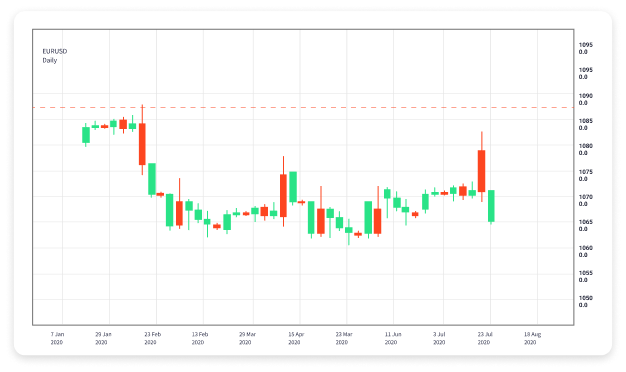
Automated signals are generated by computer algorithms that analyze market data and provide trade suggestions. These systems can process vast amounts of data much faster than any human trader, which can be advantageous in a rapidly changing market environment. Automated signals are especially popular among traders who prefer a hands-off approach or those who want to complement their manual trading efforts with algorithmic insights.
How to Read Forex Trading Signals
Reading Forex trading signals can be daunting for beginners, but understanding the key components can make it easier. Most signals include specific information about entry points, exit points, stop-loss levels, and take-profit levels.
- Entry Point: This indicates the price level at which you should enter a trade. It is crucial to act quickly upon receiving a signal, as market prices can change rapidly.
- Take Profit Level: This is the price level at which you should close your trade to secure profits. Setting this level in advance helps traders avoid emotional decision-making.
- Stop Loss Level: This represents the price at which you should exit a losing trade to prevent further losses. Risk management is essential in Forex trading, and a stop loss can help achieve that.
The Advantages of Using Forex Trading Signals
Implementing Forex trading signals can offer several benefits, particularly for traders who may not have the time or expertise to analyze the markets independently.
1. Time-Saving
Forex trading signals can save traders valuable time. Instead of spending hours analyzing charts and news, traders can rely on signals to guide their trading decisions.

2. Improved Decision-Making
Having a concrete signal to base trading decisions on can lead to improved decision-making. Signals can remove some of the subjective factors that often cloud judgment.
3. Access to Expert Analysis
By using signals generated by experienced traders or advanced algorithms, less experienced traders can benefit from expert analysis without needing to become an expert themselves.
Choosing the Right Forex Trading Signals
Not all Forex trading signals are created equal. Here are some factors to consider when choosing the right signals for your trading:
- Reputation: Look for signals from reputable providers with a track record of success.
- Transparency: Opt for providers who are transparent about their performance metrics and methodologies.
- Reviews and Feedback: Always check reviews and feedback from other users to gauge the effectiveness of the signals provided.
- Cost: Consider the cost structure and ensure it aligns with your trading budget. While free signals can be tempting, sometimes investing in a quality service is worth it.
Conclusion
Forex trading signals can be a valuable asset for traders of all experience levels. By understanding the different types of signals, how to read them, and the advantages they offer, traders can significantly improve their chances of success in this dynamic market. Whether you choose manual or automated signals, ensure that your approach aligns with your trading strategy and risk management rules. As you explore the world of Forex trading signals, remember that continuous learning and adaptation are the keys to long-term profitability.
No Responses